
Buying Bee Safe Plants: How to keep pesticides out of your garden
36 MinutesGuests: Sharon Selvaggio
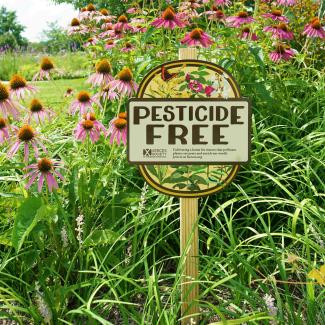
There may be a hidden danger lurking in the plants you purchase. Many plants sold at stores and nurseries, even native plants, are pre-treated with pesticides. So while trying to provide habitat for pollinators, you could be exposing them to chemicals. How do you know if plants have been treated with pesticides? Where can you find plants that haven’t been treated?

Where the Wind Blows: Does wind speed affect overwintering monarchs?
39 MinutesGuests: Kyle Nessen
**Correction: In this episode it states that the number of western monarchs in 2023 was 9,000 total. This was the total number for 2024.
Monarch butterflies are known as long-distance travelers, flying hundreds or thousands of miles from summer breeding areas to overwintering sites. These sites, although small, are essential for the survival of monarchs. Monarch butterflies across the western United States and into British Columbia migrate to California, where they shelter in tree groves scattered along the coast from Mendocino County to the Mexican border and further south. Beyond trees to roost in, what other features makes a grove good for monarchs? What more can we learn to help provide for their overwintering needs?

Lessons from a Pollinator Gardener
38 MinutesGuests: Jennifer Hopwood
There are countless ways to support the invertebrates we care about, and creating habitat in your own backyard or community is one we’ve often discussed. Today, we’ll explore real-world examples—what works, what doesn’t, and the exciting discoveries made along the way.

Making the Invisible Visible: Why Science Illustration Matters
42 MinutesGuests: Maya Hutagalung, Madison Sankovitz
Illustration is a powerful and important tool for conservation, bringing science to life and presenting complex information in an engaging format. In this episode, we are continuing our exploration of the role of art in science communication and research with two other talented artists, Maya Hutagalung and Dr. Madison Sankovitz. Rachel and I have had the good fortune to work with them both over the last few months because they have been Science Illustration Interns here at the Xerces Society.

Bring Back the Pollinators: Four Simple Steps to Save the Bees
39 MinutesGuests: Aaron Anderson, Matthew Shepherd
For years now, there’s been a growing buzz—pun intended—about how to save our pollinators. Bees, butterflies, and so many other important species are struggling, but the good news is that each of us can make a big difference right in our own backyards. From planting native flowers to rethinking our use of pesticides, simple choices can transform any outdoor space into a thriving pollinator haven. In this episode, we’re diving into what it really takes to bring back the pollinators—and how you can be part of the solution. Photo: Emily May

Walls That Speak: Inspiring Conservation Through Art
38 MinutesGuests: Jane Kim, Thayer Walker
When science and art meet they create a nexus where inspiration and education combine to create impactful outcomes. From illustrated ID guides to building-sized murals, art has been interwoven into science communications for thousands of years and its value has continued to persist. Xerces has harnessed the power of images and we are excited to explore this topic.

A Year in Invertebrate Conservation: Successes and the Road Ahead
52 MinutesGuests: Scott Black
Over the past year, we’ve explored a diversity of invertebrates, the threats they face, and the ways we can help support them. In this episode, we’ll take a closer look at invertebrate conservation—reflecting on this year’s successes and achievements, as well as the challenges that lie ahead. What victories can we celebrate, and which conservation efforts must continue? What obstacles do we, as invertebrate enthusiasts, still face? Most importantly, what actions can people take right now to make a lasting difference?
*Correction: University of Nebraska was mentioned but it is University of Nevada. Acreage is mentioned for the Bumble Bee Watch but it is acreage for the Bumble Bee Atlas.

Hidden in Plain Sight: Pesticide Contamination in Butterfly Host Plants
30 MinutesGuests: Aaron Anderson
The State of the Butterflies in the United States project demonstrated that butterfly populations across the US are dramatically declining: they fell by more than 20% between the year 2000 and 2020. There are multiple causes, but one of them is the loss of caterpillar host plants. Getting more host plants into our neighborhoods and parks is essential — but what happens if those plants are contaminated by pesticides and they are toxic to the caterpillars that need them?

Adaptations at Altitude: The Biology of Mountain Snails
28 MinutesGuests: Dr. Lusha Tronstad
Given the name of our podcast, it is no surprise that we talk a lot about bugs, but in this episode, we are stretching our invertebrate muscles and looking at a group of invertebrates that we haven’t considered before—mountain snails!
The Secret Lives of Bumble Bees: Nesting and Overwintering
38 MinutesGuests: Genevieve Pugesek
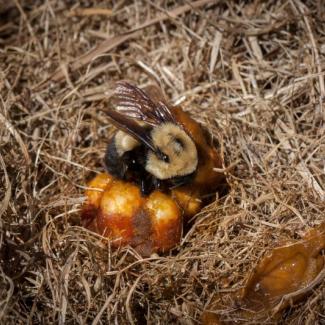
We’ve all heard the familiar buzz of a bumble bee. Their fuzzy bodies fly around looking for pollen and nectar. But where do bumble bees nest? Where do they spend the winter? And how can we support this part of their lifecycle?